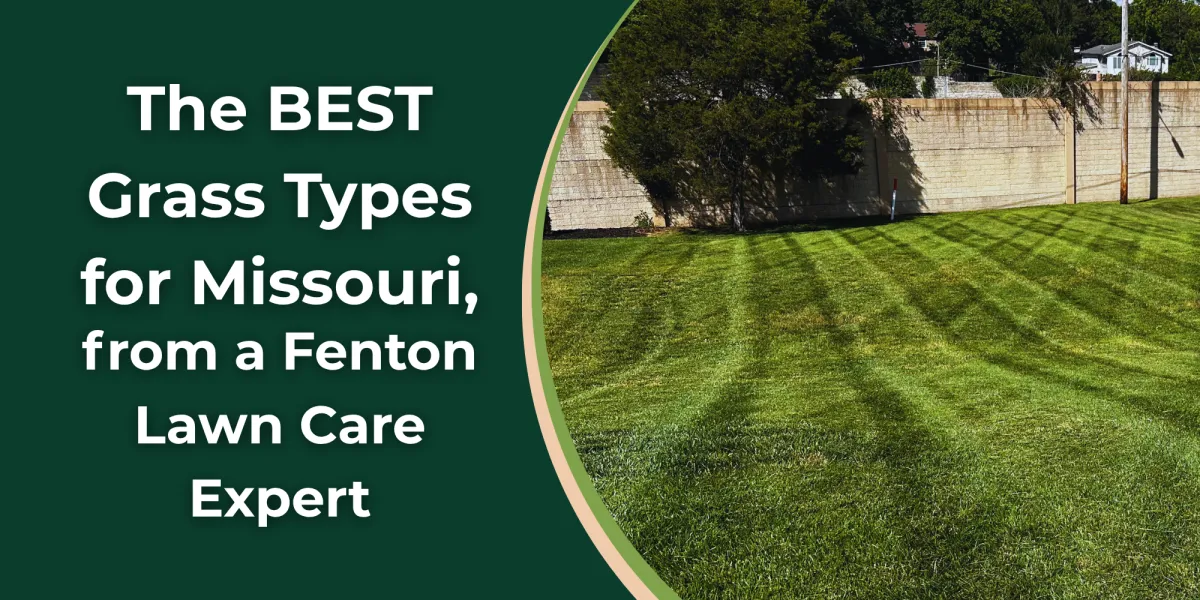
The BEST Grass Types for Missouri, from a Fenton Lawn Care Expert
As someone who's been serving the Fenton area for the past four seasons and has worked with over 300 local families, I've learned a thing or two about what works best for Missouri lawns. Recently, I came across an excellent video from Ask About Horizons that covers grass seed selection, and it got me thinking about how these insights apply specifically to our local conditions here in the St. Louis metro area.
After working on everything from basic lawn maintenance to complete renovations across Fenton, High Ridge, and Sunset Hills, I can tell you that choosing the right grass type isn't just about what looks good—it's about what can survive our unpredictable Missouri weather while giving you that lush, green lawn you're after. Let me share what I've learned from hands-on lawn care experience and why it matters for your specific property in Fenton and nearby cities.
Why Kentucky Bluegrass Dominates Missouri Lawns
In my experience working across the Fenton area, Kentucky bluegrass has consistently proven itself to be the gold standard for Missouri homeowners. I've installed, overseeded, and maintained hundreds of Kentucky bluegrass lawns, and there's a reason it's my go-to recommendation for most properties.
What makes Kentucky bluegrass special for our region is its ability to create that thick, carpet-like lawn that looks great and can handle foot traffic. During those cooler spring and fall months when we get consistent moisture, Kentucky bluegrass really shines. I've seen lawns that were struggling in summer come back to life in fall with proper care, looking better than ever.
The challenge, as any honest lawn care professional will tell you, is that Kentucky bluegrass can struggle during our hot, humid Missouri summers. That's where my weekly mowing and treatment programs make a real difference—I'm on-site every week, monitoring how your grass is responding and adjusting our approach as needed.
Timing Your Grass Seed Planting in Missouri
After four seasons of seeding lawns across Jefferson County, I've learned that timing really is everything when it comes to grass seed success. The video mentions late summer to early fall for cool-season grasses, and I couldn't agree more—but let me get more specific about what that means for our area.
Here in the Fenton region, I typically start my fall seeding programs in late August through mid-September. By this time, we're usually past the worst of the summer heat, but the soil is still warm enough for quick germination. I've found that seeds planted during this window have the best chance of establishing strong root systems before our first frost.
For spring seeding, I'm more cautious. While it can work, you're racing against the summer heat. If we get an early hot spell—which seems to happen more often these days—those young seedlings can struggle. That's why I always recommend fall seeding when possible, and if we do spring work, I make sure my irrigation recommendations are spot-on.
The Art of Overseeding Missouri Lawns
Overseeding is one of my favorite services to provide because the results are so dramatic. I've transformed patchy, thin lawns into thick, lush carpets through strategic overseeding combined with my fertilization programs.
What I've learned from working with so many local properties is that Missouri lawns benefit from overseeding every 2-3 years, not just when they look bad. Our climate puts stress on grass through hot summers, occasional droughts, and those unpredictable spring freezes. Regular overseeding keeps your lawn dense and competitive against weeds.
My approach involves slice seeding when possible—this method puts the seed directly into small slits in the soil rather than just broadcasting it on top. I've seen much better germination rates with this technique, especially on compacted soils that are common in our clay-heavy region.
Fertilizing and Seeding: Getting the Sequence Right
One mistake I see homeowners make all the time is trying to fertilize and seed at the same time. The video touches on this, but let me explain why this matters so much for Missouri lawns specifically.
Our Missouri soils tend to be nutrient-hungry, especially after our wet springs that can leach nutrients away. When I'm preparing for seeding, I always soil test first—something I include in my comprehensive programs. This tells me exactly what nutrients are needed, not just what looks good on a bag of fertilizer.
I apply a starter fertilizer about a week before seeding, then follow up with my regular fertilization schedule once the grass is established. This approach has given me much more consistent results than trying to do everything at once. Plus, it reduces the risk of burning those tender new seedlings with too much fertilizer too early.
Missouri-Specific Challenges I See Every Day
Working exclusively in this area for four seasons has taught me that Missouri lawns face some unique challenges that general advice doesn't always address. Our clay soils, for instance, can become compacted easily, which is why aeration is such an important part of my programs.
We also deal with specific weed pressures that I've gotten very good at identifying and treating. Crabgrass is a huge issue during our hot summers, and I've developed pre-emergent programs that target the specific timing for our region. Dandelions love our spring conditions, but with my weekly monitoring and spot-treatment approach, I can catch them before they become a major problem.
Another challenge specific to the St. Louis area is our unpredictable weather patterns. One week we might have three inches of rain, the next week we're in drought conditions. This is where having a local professional who understands these patterns makes a real difference in maintaining consistent lawn health.
My Professional Approach to Missouri Lawn Care
What sets my service apart is that I'm not just dropping off products and hoping for the best. I'm on your property every week during mowing season, which means I can spot problems early and adjust our treatment plan accordingly. If I notice stress patterns, irrigation issues, or pest problems, we can address them immediately rather than waiting for the next scheduled visit.
I also take photos and send them to my clients when I notice issues or opportunities for improvement. This level of communication has helped me maintain over a 90% customer retention rate—people appreciate knowing what's happening with their investment.
My fertilization and weed control programs are backed by a money-back guarantee because I know Missouri weeds and how to eliminate them effectively. I'm licensed and insured with a $2 million liability policy, and all my treatments meet Missouri Department of Agriculture safety standards with regular inspections.
Making Your Missouri Lawn Dreams Reality
The bottom line is that creating a beautiful lawn in Missouri requires understanding our specific climate, soil conditions, and seasonal challenges. While Kentucky bluegrass remains my top recommendation for most properties, the key to success is in the details—proper timing, correct fertilization, and ongoing professional monitoring.
Whether you're starting from scratch with new construction or trying to rejuvenate an existing lawn, the principles in that video combined with local expertise can give you the results you're looking for. I've seen struggling lawns transformed into neighborhood showcases with the right approach and consistent care.
If you're tired of fighting with your lawn or just want to take your property to the next level, I'd be happy to take a look and put together a customized plan.
Ready to get started on your best lawn yet? Call us at (314) 686-8423 or schedule a free estimate on our website today! With zero long-term contracts and a 100% money-back guarantee, you've got nothing to lose and a beautiful lawn to gain.